Trading Explained How to Choose the Best Approach and Why Simplicity Matters
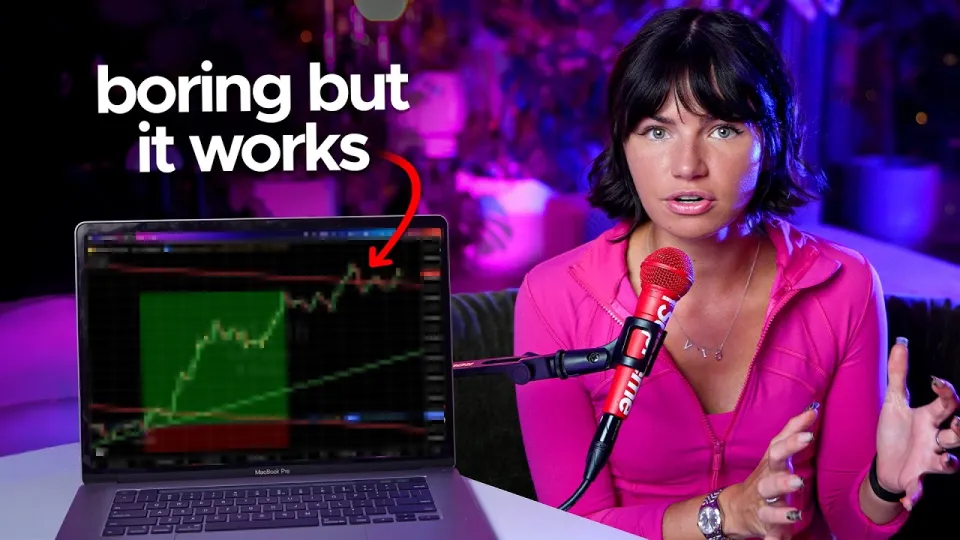
Video: Unfortunately, trading really is this simple
Want articles like this for your own video to promote it on YouTube and Google? Order them through the Telegram bot @sat_sit_bot. Articles with your video embedded are written and posted by the bot itself — on popular topical sites (no ads). Try it free: 50 articles on us.
· based on the channel Tori Trades
Key takeaways
- Trading does not require advanced degrees or complex math skills.
- Trendline strategies are core to effective futures and day trading.
- Risk management and quick decision-making are essential in volatile markets like gold futures.
- Tracking trades methodically helps improve performance over time.
- Simplicity in trading systems often leads to better consistency and adaptability.
Trading is often perceived as complicated and accessible only to experts with finance degrees or advanced math skills. However, trading really is this simple when you focus on clear, actionable strategies that anyone can implement. This article explores how to choose the best trading approach by emphasizing simplicity, trendline strategies, and effective risk management. For those interested, joining the trading waitlist for expert strategies and bonuses can provide further guidance.
Why Trading Simplicity Works Best
The core of successful trading lies in simplicity. Complex indicators and algorithms might look impressive but often create confusion and hesitation. By focusing on basic concepts like trendlines and price action, traders can identify clear entry and exit points without overcomplicating their decisions. Simplicity allows faster reactions to market changes, which is crucial in fast-moving futures markets.
Building a Trendline-Based Trading System
Trendlines are fundamental tools that help define market direction and potential reversal points. Here’s how to build a simple trendline trading system:
- Identify the prevailing trend by connecting recent higher lows in an uptrend or lower highs in a downtrend.
- Draw a trendline along these points to visualize support or resistance.
- Use the trendline as an entry signal: buy near an upward trendline bounce or sell near a downward trendline bounce.
- Place stop-loss orders just beyond the trendline to minimize risk in case of a breakout against your position.
- Exit trades when the trendline is broken decisively or when the price action shows signs of reversal.
Managing Risk in Volatile Markets
Markets like gold futures can be highly volatile, moving from slow to rapid price changes in seconds. Managing risk effectively means:
- Using tight stop losses around your trendlines to prevent large losses.
- Monitoring trades actively to exit quickly if the market moves unexpectedly.
- Trading smaller position sizes during volatile conditions to reduce exposure.
- Avoiding overconfidence in any single trade, as rapid reversals can happen at any time.
Tracking Trades for Continuous Improvement
Consistent trading success requires thorough record-keeping. Using tools like TradeZella (with discount code TORI20) allows traders to track entries, exits, profit/loss, and trade rationale. This data helps analyze performance, refine strategies, and avoid repeating mistakes. Keeping a trade journal is a habit professional traders swear by.
Common Questions and Clarifications in Trading
Many traders wonder where to set stop losses relative to trendlines or how to handle sudden market volatility. The stop loss is typically placed just beyond the trendline, usually a few ticks or points away, depending on the instrument’s volatility. In sudden volatile moves, quick decision-making and trade management are key to limiting losses or securing profits. Different markets (stocks vs. futures) have unique behaviors, so adapting strategies accordingly is important.
Useful Links
- Join the expert trading waitlist and get bonuses: https://go.toritradez.com/waitlist-1009
- Track trades effectively: https://www.tradezella.com/?via=victoria
- Broker for futures trading: https://www.tradestation.com/promo/toritrades/
- Follow Tori Trades on Instagram: https://www.instagram.com/tori.trades.futures/
Final Thoughts
Trading success does not require complicated formulas or exclusive knowledge. By adopting simple, proven strategies based on trendlines, managing risk carefully, and tracking trades diligently, traders can improve their results significantly. The channel Tori Trades provides an accessible and practical approach to futures trading that demystifies the process and helps build confidence. Consider joining the waitlist to access detailed guidance and start applying these principles today.
Questions & answers
Do I need a finance degree or advanced math skills to trade successfully?
No, trading can be simple and effective without a finance degree or advanced math. Focusing on basic strategies like trendlines and price action is enough to start trading successfully.
Where should I place stop losses when using trendline strategies?
Stops are typically placed just beyond the trendline, a few points or ticks away, to allow some price fluctuation but protect against a breakout that invalidates the trade.
How do I handle sudden volatility in markets like gold futures?
Managing volatility requires tight stop losses, smaller position sizes, and active trade monitoring to exit quickly if prices move unexpectedly.
What is the difference between trading futures and stocks regarding market behavior?
Futures markets often move faster and can be more volatile, allowing for clearer trendline setups. Stocks may be influenced more by algorithms and can behave differently, requiring strategy adjustments.
Source: Unfortunately, trading really is this simple · Markdown version